SEO Content Strategy: A Practical System for 2026
Build a pillar and 8 to 15 supporting pages, then link, refresh, and measure what drives signups—not just rankings.

If you want an SEO content strategy that actually works, it needs to do two jobs at the same time.
First, it needs to help you earn rankings and become a trusted source on a topic. Second, it needs to turn that attention into something you own, like subscribers, leads, and customers.
Our hot take: AI content can rank if it is useful and has your real opinions in it. If you publish “neutral” content anyone can generate, you will blend in. The web already has enough of that.
This guide is built for SEO nerds, agency marketers, and busy creators who want a repeatable system. You can run it for your own site or for clients.
Why SEO content strategy matters more than ever
Search is not just “10 blue links” anymore. Results mix in snippets, AI summaries, videos, and “best of” lists. If your content is thin, duplicated, or vague, it gets filtered out fast.
Google still works the same at the core. It crawls pages, indexes them, and ranks them based on relevance and signals that point to usefulness and trust. That basic pipeline matters because it explains why “just publish more” is not enough if your site is hard to crawl, your pages overlap, or your internal links are messy. You need a plan that makes your content easy to find and easy to understand.
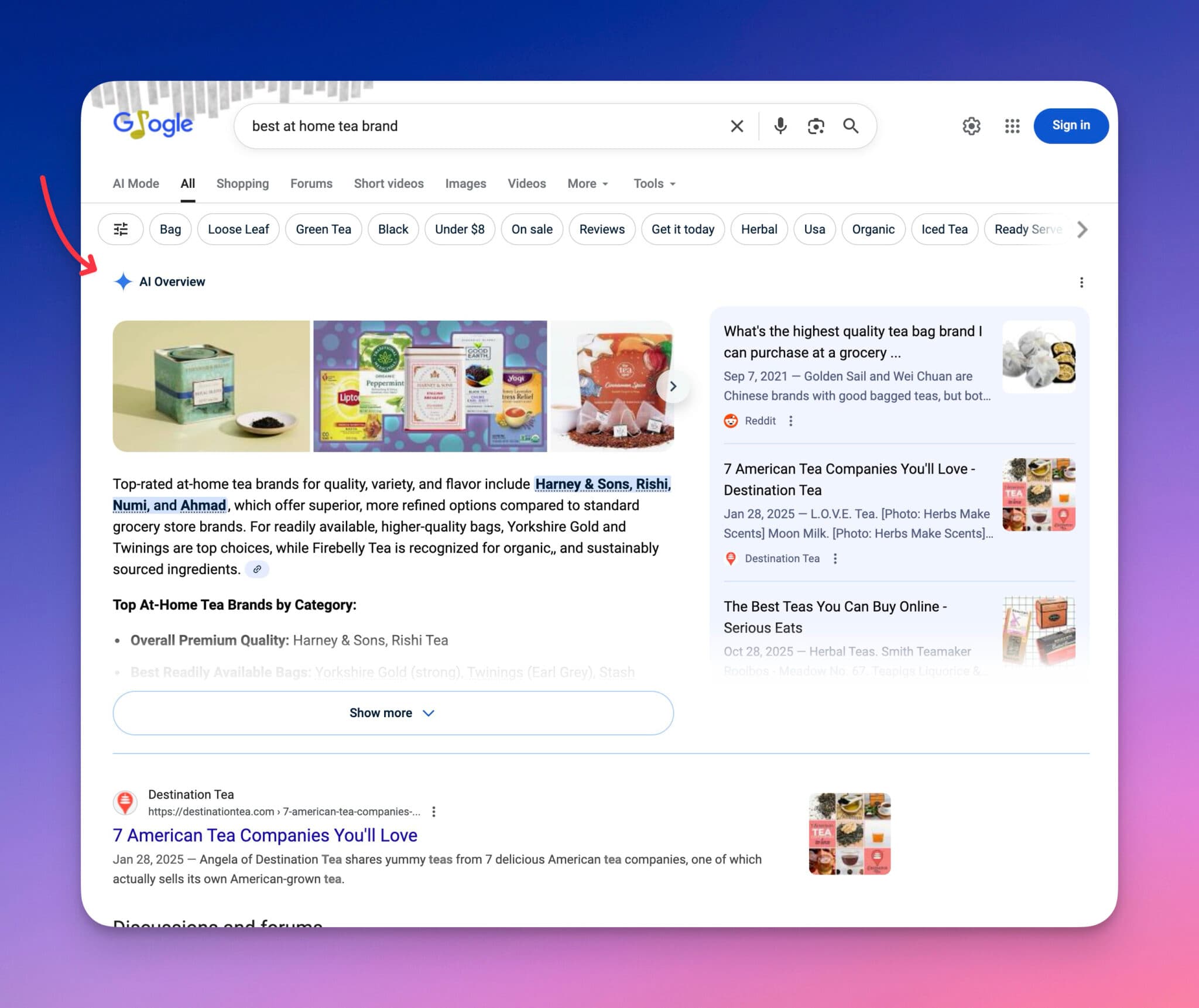
At the same time, Google has been expanding AI-style experiences in Search, including AI Overviews and tests like AI Mode. That shifts what wins. Pages that are clear, quotable, and written from experience are more likely to get used as source material. (For the deeper breakdown of how this changes your strategy, see GEO vs SEO.)
So the goal is not “rank for one keyword.” The goal is to build a content system that earns visibility, then captures demand into an owned channel.
What “topical authority” really means in practice
Topical authority is not a magic score. It is the outcome of covering a topic in depth across a connected set of pages, with clean internal linking and clear intent per page.
This is why topic clusters and pillar pages work when you do them right. You publish one page that covers the full topic at a high level (pillar). Then you publish supporting pages that answer specific sub-questions (clusters). The pillar links out, the clusters link back, and the whole set reinforces what your site is about.
A lot of people copy the “cluster” idea and still fail. The reason is simple: they write pages that overlap, target the same intent, and never add new information.
Topical authority is less about the diagram and more about the execution:
- Each page has a clear job and a clear reader intent.
- Each page adds something the reader cannot get from the SERP in 60 seconds.
- Internal links are placed where they help a human, not where a tool says “add links.”
If you want a metric view, tools like Semrush even publish their own “Topical Authority” concept as a way to estimate relevance around a seed keyword. It is not Google’s metric, but it’s useful as a directional check.
Start with outcomes, not keywords
Most “SEO content strategy” advice starts with keyword volume. That is backwards.
Start with outcomes. Ask: what should happen after the traffic arrives?
For this page, success means readers sign up and try the RightBlogger Autoblogging system and SEO Reports. So the content needs to attract strategy-focused searchers, then guide them into an action that matches that intent.
A simple outcome ladder looks like this:
- Visibility: rank for strategy terms and long-tail questions.
- Trust: prove experience with clear opinions, examples, and screenshots.
- Conversion: move readers into a next step you control (trial, email, tool usage).
- Retention: keep them engaged with updates, new posts, and emails.
This is also where your “owned audience” belief belongs. Rankings are rented. Your newsletter and customers are not. The best SEO content strategies are built to feed both.

Build your topical map for “SEO content strategy”
A topical map is just a structured list of pages you need, organized by intent.
For “SEO content strategy,” the pillar page should answer the big question: “How do I build a system that ranks and drives business results?”
Then you branch into clusters that match what people actually search for:
- strategy framework and process
- topical maps and clustering
- content briefs and on-page optimization
- content audits and updates
- measurement and reporting
- workflow and production systems
- AI search visibility and “quotable” writing
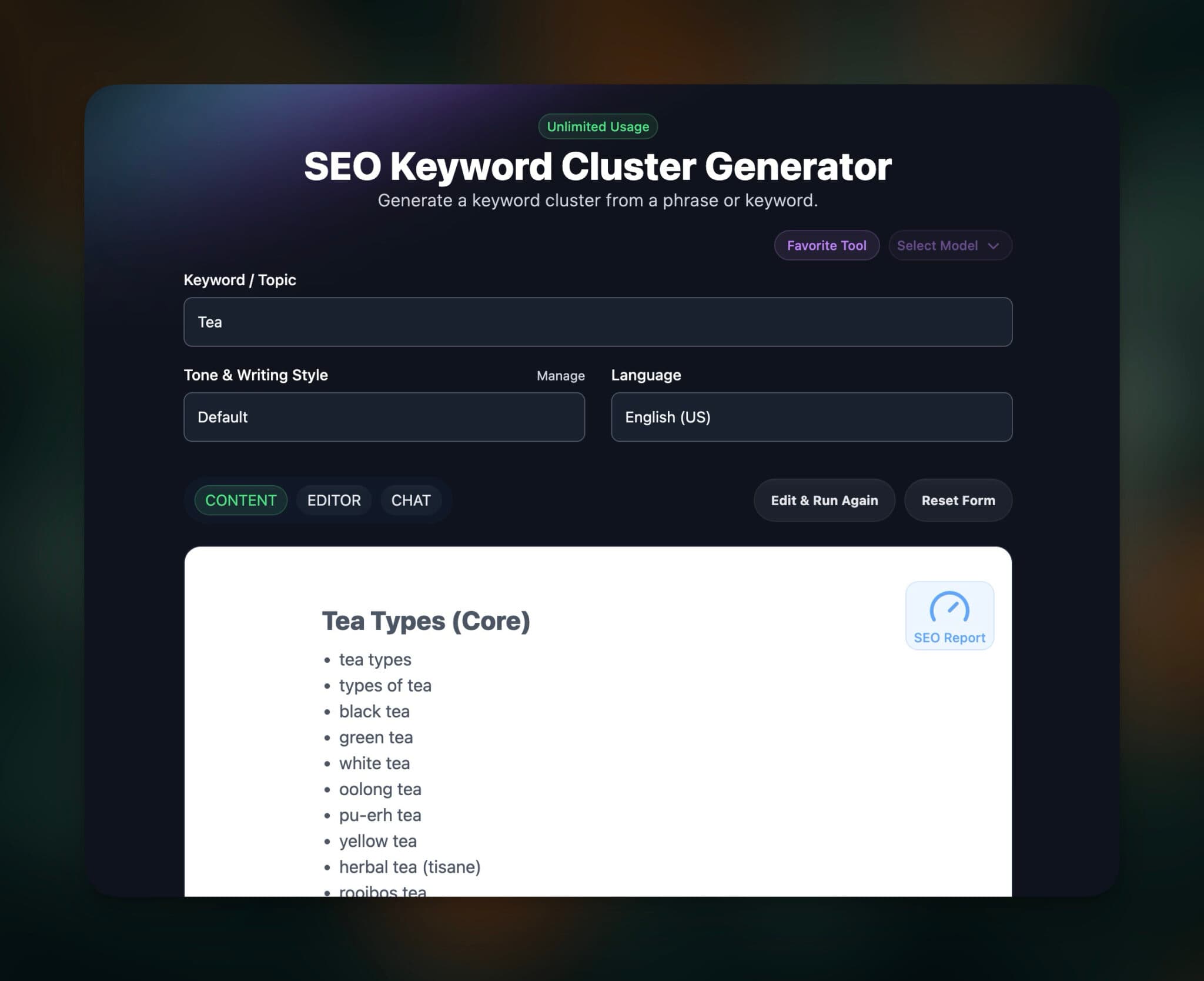
If you want an easy way to generate and validate clusters, we use our own Keyword Cluster tool inside RightBlogger to group keywords by meaning and intent, not just matching words. You can build the map, then pick the best clusters to publish first. Here is the tool: Keyword Cluster tool.
One warning: avoid “fake clusters.” If your supporting pages do not need to exist, do not publish them. If two pages answer the same question, merge them.
Turn the map into a 90-day plan you can ship
A topical map is useless if it never turns into a publishing plan.
A simple 90-day plan for agencies and busy creators looks like this:
- Week 1: pillar page + 2 supporting pages that reduce friction (templates, examples)
- Weeks 2 to 6: 1 to 2 cluster pages per week (high intent, clear outcomes)
- Weeks 7 to 10: refresh and expand the pillar using what you learned
- Weeks 11 to 12: internal link pass + content update pass
If you publish for clients, build the plan around delivery. If you publish for your own business, build it around conversion paths.
Here’s a quick “pick your battles” list that saves a lot of time:
- Start with long-tail questions that show high intent and clear pain.
- Write pages that can win with experience and examples, not generic advice.
- Plan updates from day one, so posts do not rot after 90 days.
Create briefs that force clarity
A brief is where strategy becomes execution.
If a writer can interpret the brief five different ways, the content will be messy. That also makes optimization harder.
A strong content brief for SEO content strategy posts should include:
- The primary intent (template, guide, comparison, definition, process)
- The “angle” and opinion (what you disagree with in common advice)
- The reader level (agency marketer, busy creator, or beginner)
- The internal links you want to include (and where they fit naturally)
- One “proof” element (screenshot, mini case study, or example)
This is also where keyword research belongs, but not as a list of 80 terms. Use it to confirm intent, spot subtopics, and avoid overlaps.
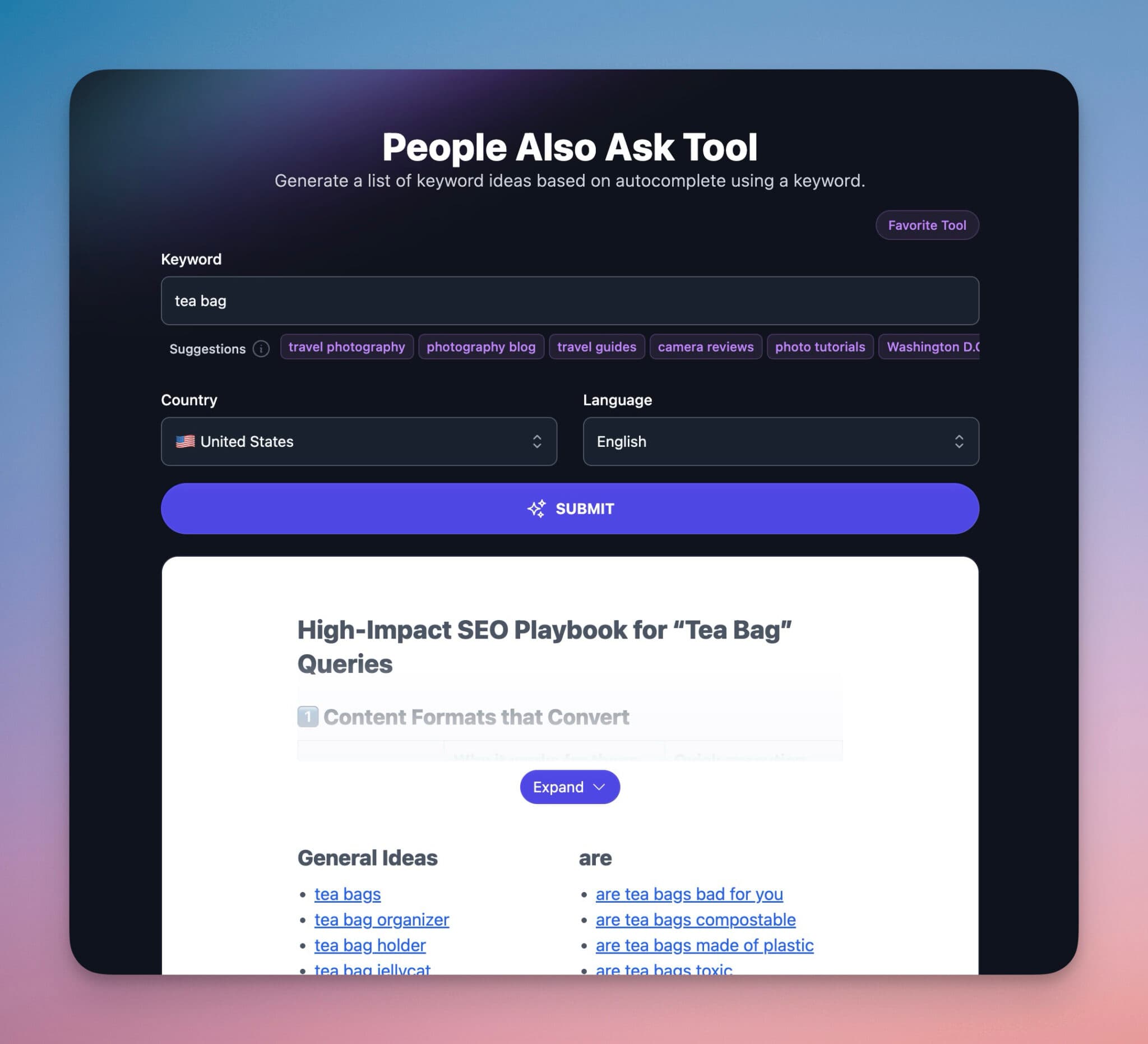
Inside RightBlogger, we typically start this step with the Keywords tool to pull related terms and questions, then use the People Also Ask style questions to shape headings and examples. If you want to see that workflow, start here: People Also Ask.
Write for humans first, then optimize like an SEO
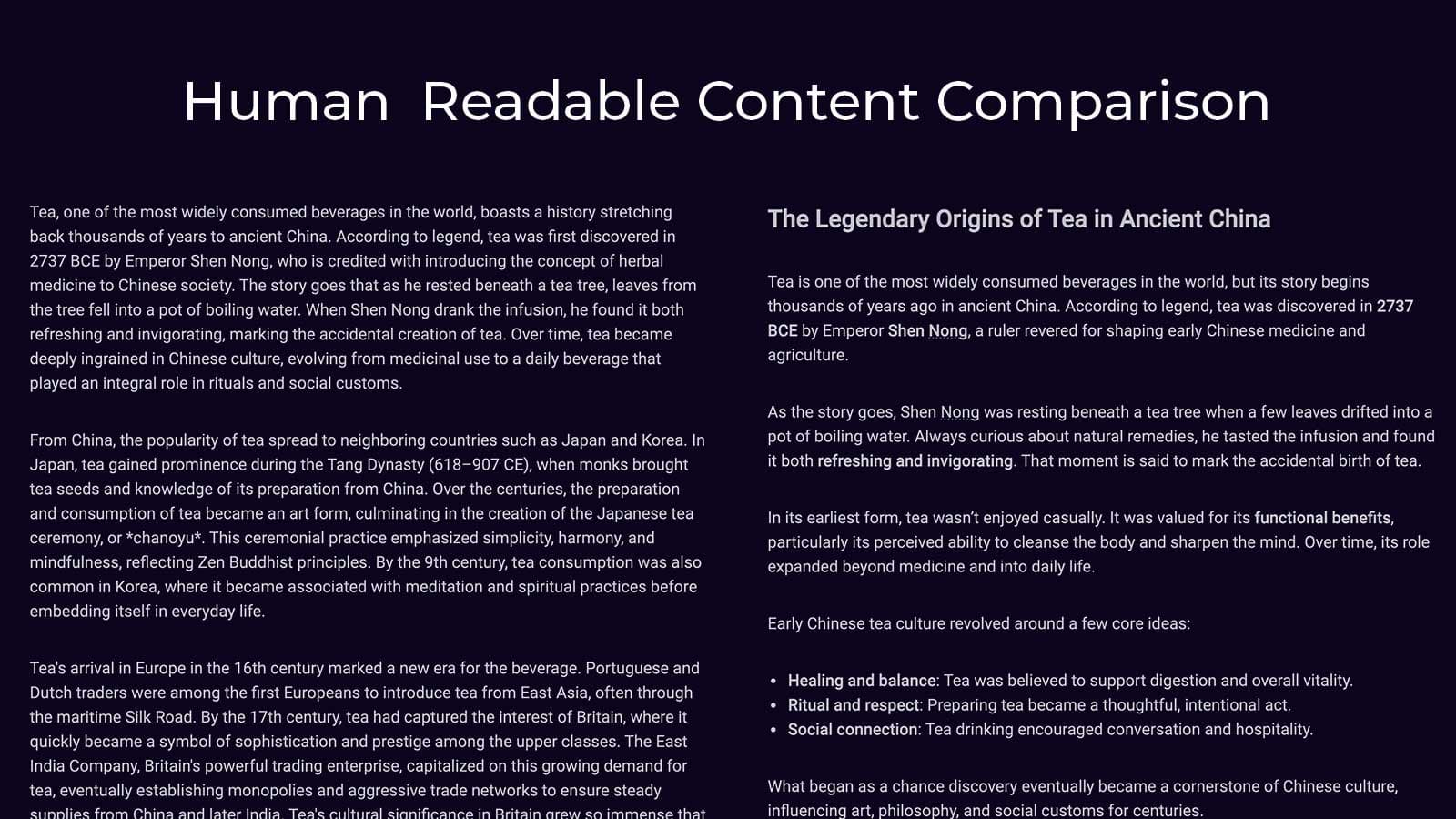
Google’s best public guidance is still simple: create helpful, reliable, people-first content. SEO helps search engines understand your people-first content. It is not supposed to replace it.
That matches our “AI content can rank” take. AI output is fine as a draft. The win comes from what you add.
Here’s what we look for on every page:
- Clear promise early on, so the reader knows they are in the right place
- Short paragraphs that move fast
- Headings that read like answers, not keyword dumps
- Examples that prove you have done the work
- Internal links that help the reader take the next step
Content created with RightBlogger follows all principles of human written content.
On-page SEO also includes page experience. You do not need perfect scores, but you do need a site people enjoy using. Google calls out things like HTTPS, avoiding intrusive interstitials, and caring about Core Web Vitals as part of good experience. One of the easiest wins there is making your images load faster.
Internal linking is where topic clusters become real
If topic clusters are the structure, internal links are the wiring.
When internal linking is sloppy, Google and readers both struggle to understand your “site story.” When it’s clean, your pillar pages become hubs and your supporting pages get discovered faster.
A simple cluster rule:
- Each cluster page links back to the pillar.
- The pillar links to every cluster page.
- Cluster pages cross-link only when it helps a human.
That “helps a human” part matters. If you do internal links well, it becomes a navigation layer for users and a strong topic signal for search engines.
If you want to show the internal linking concept in action, our guide on keyword clustering is a good companion piece: Keyword clustering guide.
Make content update-friendly from day one
Publishing is only half the job. Updating is where most sites win long-term.
A content audit gives you a repeatable way to decide what to keep, update, merge, or remove. Ahrefs’ audit process is a good example of a structured approach that combines performance data with decisions you can act on.

You do not need to audit everything every month. Start with your top pages and pages that have slipped.
A simple update cadence:
- Refresh your main hubs quarterly.
- Refresh your top traffic pages every 90 to 180 days.
- Merge pages when they fight each other for the same intent.
This matters even more in AI-shaped search. Fresh, clear pages with strong structure tend to become the “easy citation” pages.
Measure what matters, then improve the system
If you only track rankings, you will miss the point.
A good SEO content strategy tracks three layers:
- Visibility: impressions, clicks, top queries, top pages
- Engagement: scroll depth, time, internal clicks
- Business: email signups, trial starts, tool usage, revenue
Google also reminds site owners that Search is automated and does not guarantee crawling, indexing, or rankings. That is another reason measurement matters. You want early warning signals so you can adjust.
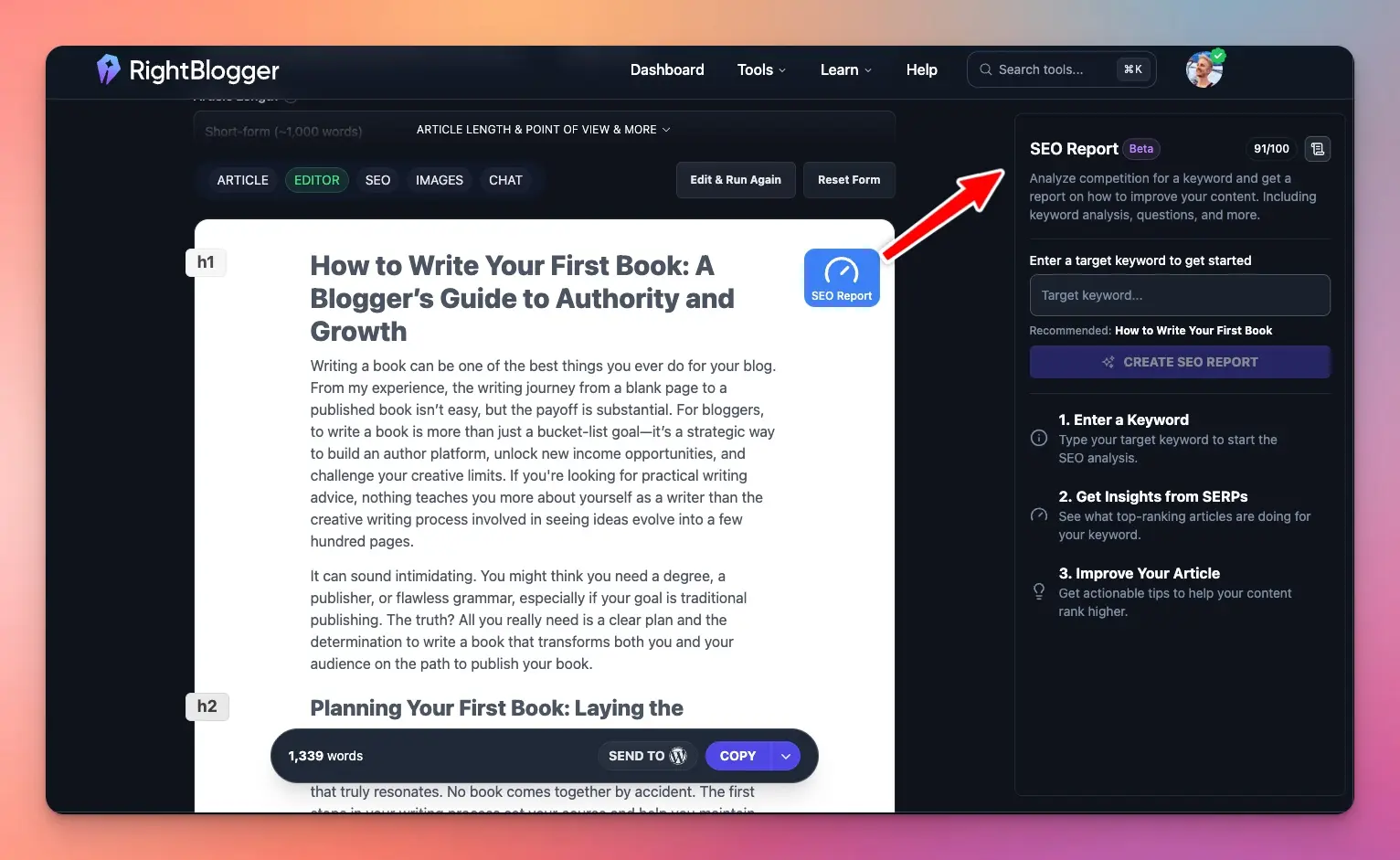
Inside RightBlogger, we built SEO Reports to make this practical. It helps you spot gaps, prioritize improvements, and create an action list you can hand to a writer or client. If you want a deeper look at how we approach it, see: SEO Reports feature overview. If you’re delivering to clients under your agency’s brand, see also: white-label SEO reports for the branded, shareable version.
Promotion and owned audience are part of the strategy
Here’s the part many “SEO content strategy” guides skip.
Even if Google sends you traffic, it can disappear tomorrow. Your newsletter list does not.
So every pillar and cluster page should have a simple “owned channel” plan:
- Add a relevant email opt-in tied to the topic.
- Offer a template or checklist that matches the post.
- Use the post as a reason to email your list, not just a link drop.
- Repurpose into LinkedIn posts, short videos, or a workshop.
If you want a quick distribution workflow, our content promotion checklist can help you systemize the last mile: content promotion checklist.
How we run this workflow inside RightBlogger
A lot of strategy dies because execution is slow. That’s why we built RightBlogger around workflows.
Here’s what a practical build looks like:
- Cluster your topic and pick a publish order.
- Draft fast with AI, then add real opinions and examples.
- Optimize for search and AI answers with structure and clarity.
- Publish and update on a schedule, not a mood.
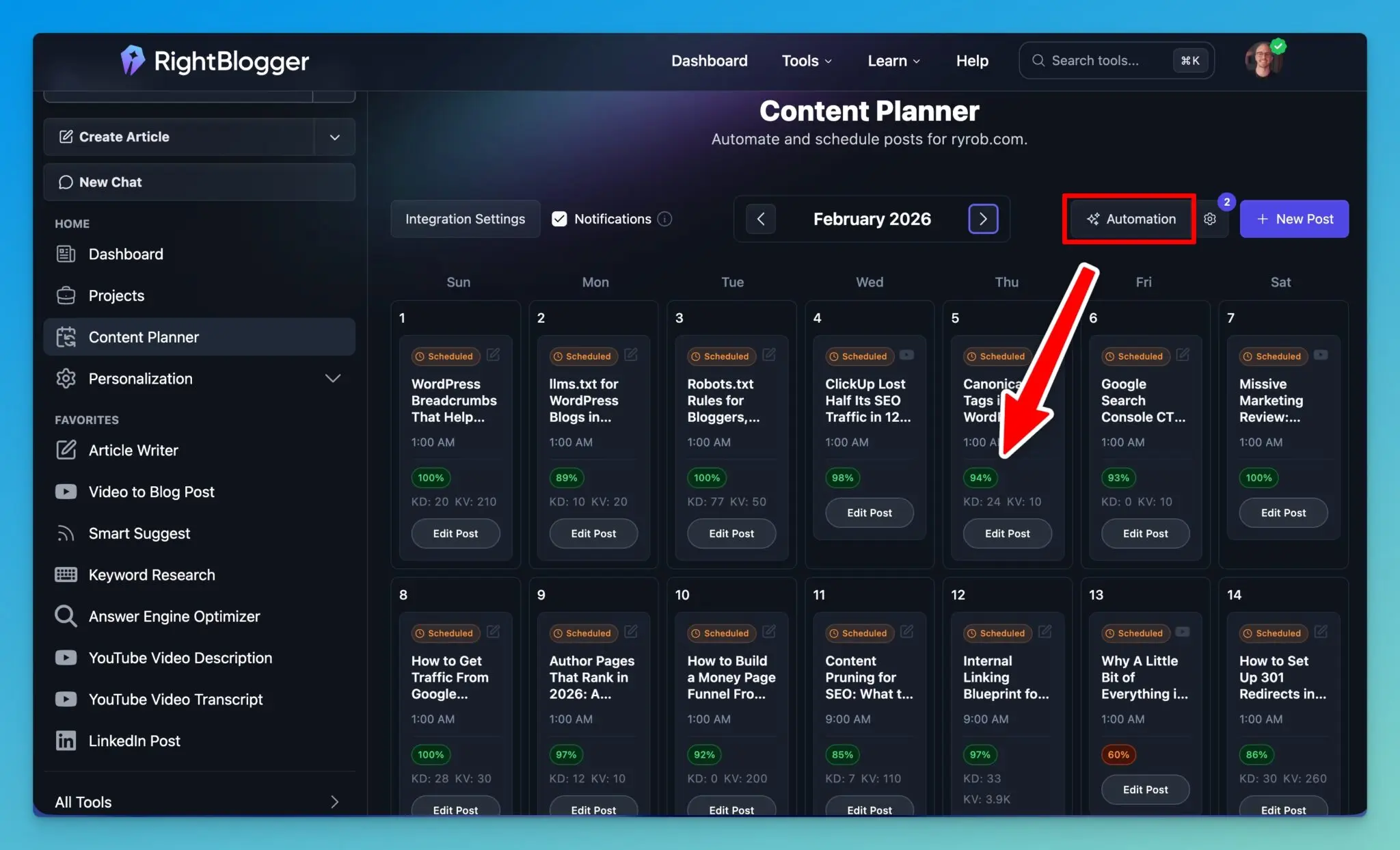
If you want to scale output without losing quality, this is where Autoblogging fits. It helps you plan, generate, and schedule content at volume while keeping your voice and your workflow consistent. Start here: Autoblogging Content Planner.
For AI search visibility, we also built an Answer Engine Optimizer so you can format sections that are easy to quote in AI tools. Here is that tool: Answer Engine Optimizer.
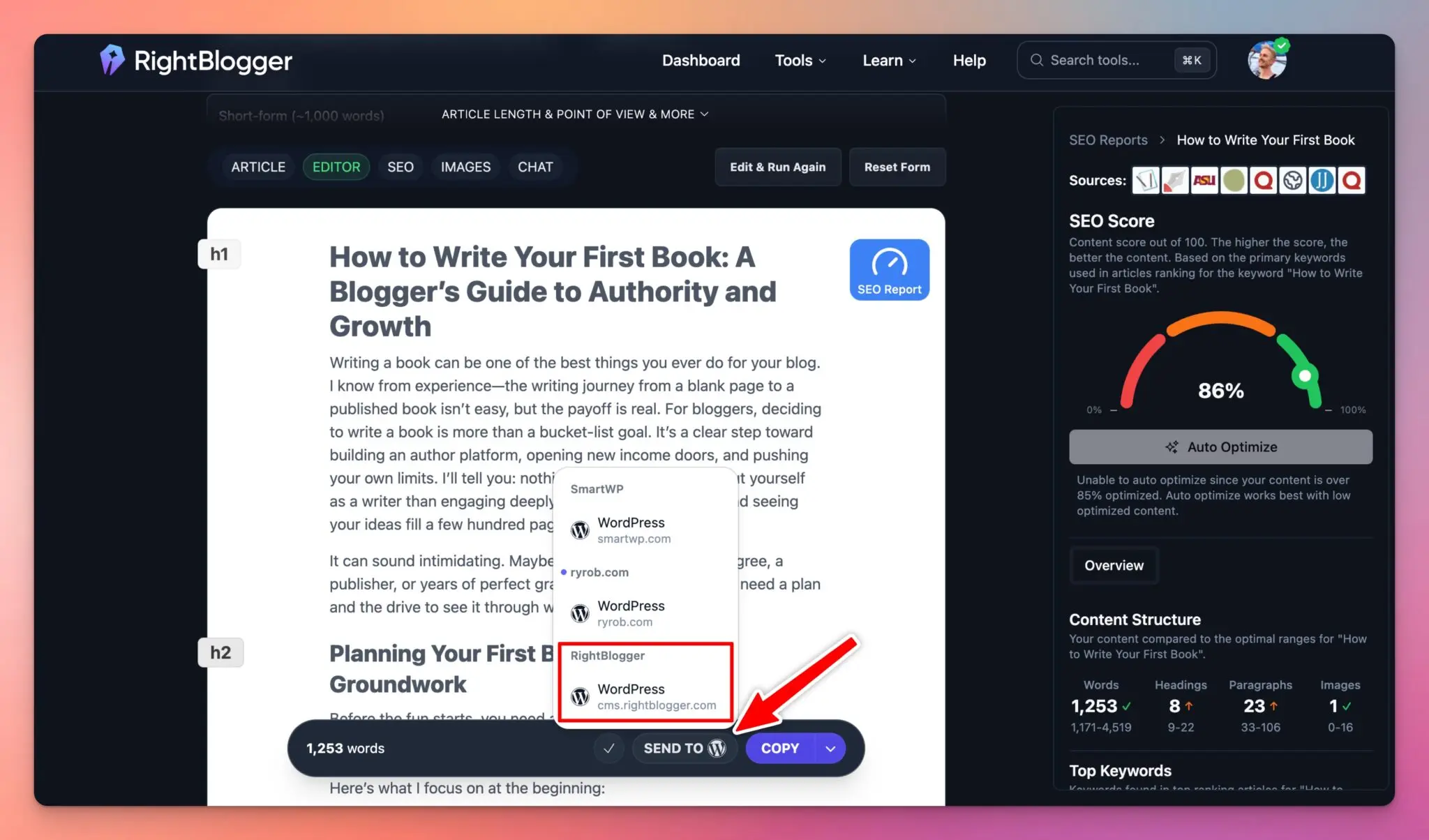
And if you publish to WordPress, the best workflow is the one that removes friction. Our WordPress integration lets you push drafts and scheduled posts without manual copy and paste. Details are here: WordPress integration guide, we also support many other CMS integrations.
Common SEO advice that wastes time
Let’s point out some time-wasters in SEO.
Here are a few we see constantly:
- Obsessing over volume while ignoring intent and conversion.
- Publishing “me too” posts with no opinion, no examples, and no new value.
- Building topic clusters that overlap and fight each other.
- Treating SEO as separate from product and audience building.
If you are working for clients, long-tail keywords are still a great entry point. AI tools and people both ask long questions. If you can answer them with experience and structure, you can win pages that bigger sites ignore.
Also, do not wait for perfection. Publish, measure, improve, and update. That loop is the strategy.
Frequently Asked Questions About SEO Content Strategy
What is the difference between an SEO content strategy and a content calendar?
A content calendar is a schedule. An SEO content strategy is the system behind the schedule. It includes topic selection, intent, internal linking, optimization, updates, and measurement. The calendar is only one output of the strategy.
Can AI content rank on Google in 2026?
Yes, it can rank if it is useful, clear, and adds real value. The best AI-assisted pages include your opinions, examples, and experience. They also match intent and avoid duplication. Google’s public guidance emphasizes people-first, helpful content.
How many posts do you need to build topical authority?
There is no fixed number. You need enough pages to cover the topic fully and answer key sub-questions without overlap. Start with one strong pillar and 8 to 15 cluster pages, then expand based on performance and gaps.
What are the most important metrics to track?
Track visibility (impressions, clicks), engagement (scroll depth, internal clicks), and business outcomes (email signups, trial starts, tool usage). Rankings alone are not a full success metric.
How do I turn SEO traffic into customers?
Give readers a next step that matches the topic. Offer an opt-in, a template, or a workflow that helps them act. Then follow up via email. SEO brings attention, but your owned audience builds the business.
Conclusion: build a strategy you can repeat
An SEO content strategy only works if it turns into output.
That means publishing pages that are useful, opinionated, and linked together on purpose. It also means updating winners, merging overlaps, and measuring what drives signups, not just rankings.
If you want the simplest next step, do this today:
- Pick one pillar topic, like SEO content strategy
- Map 10 supporting pages that answer real sub-questions
- Publish the pillar first, then ship one supporting page each week
- Use internal links to connect the cluster as it grows
- Run updates every month so results compound
When you’re ready to scale, that’s where RightBlogger fits.
Use Autoblogging to increase output without losing your voice, then use SEO Reports to spot what to improve after publishing. More useful pages, faster shipping, smarter updates, and an audience you own.

RightBlogger Co-Founder Andy Feliciotti focuses on website development and shares his expertise through his YouTube channel and travel blog.



Automated SEO Blog Posts for Your Site
Research, write, publish, and share from one account.
7-day free trial. Cancel anytime.





Leave a comment